When Family Outings Feel Impossible: A Practical Reset
Small, flexible strategies for making family outings more predictable when sensory needs are high.
When Family Outings Feel Impossible: A Practical Reset
Some days, getting two sensory-sensitive children out of the house feels harder than the outing itself. Clothing feels wrong, breakfast takes too long, one child is worried about noise, and the other is already asking when you will arrive. These moments can create shame, but they are usually signs that the plan needs less pressure and more predictability.
Reduce the Number of Unknowns
Start by choosing one or two details to make certain. Check how busy the venue is likely to be, whether there is a quieter area, how long travel will take, and where you can leave if needed. KindHours helps families review sensory information before committing to a venue.
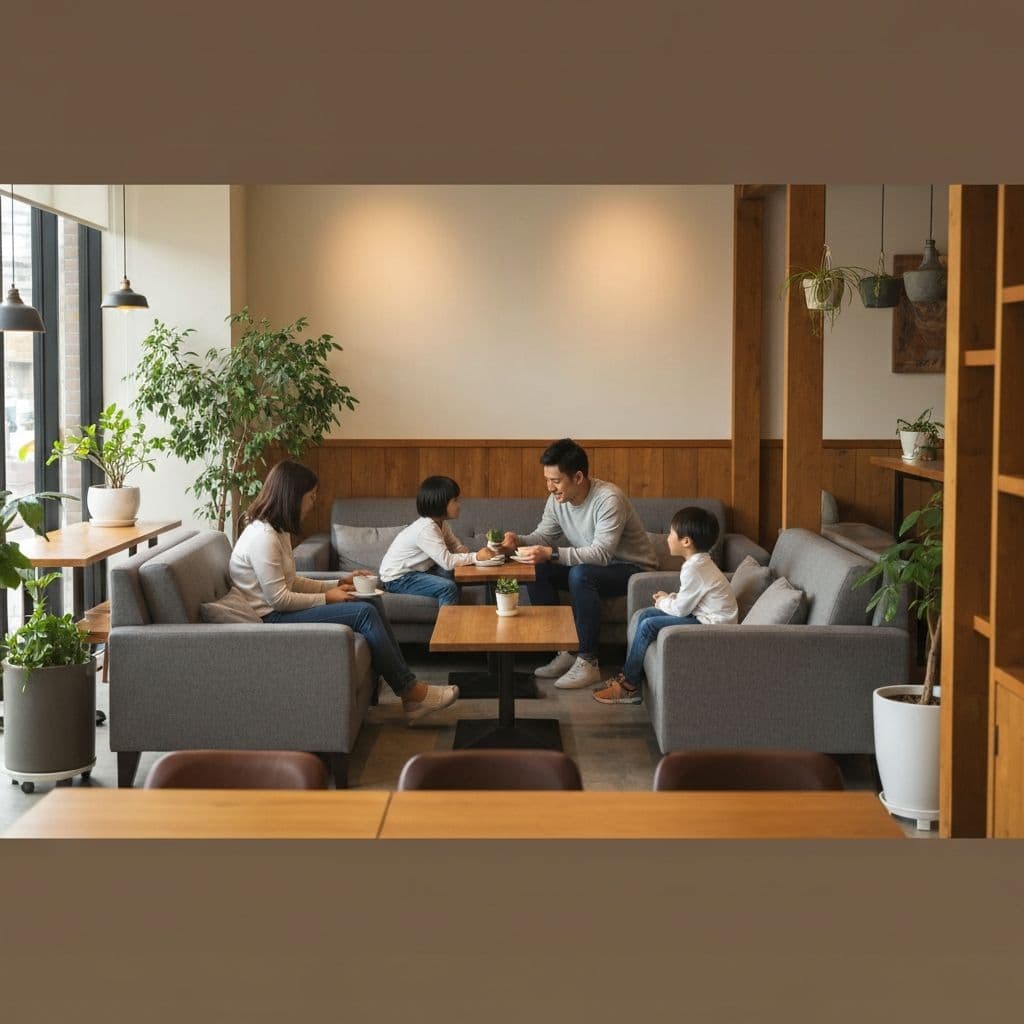
Do not aim for a perfect plan. Aim for a plan with clear options. “We will try the cafe, sit near the side, and take a five-minute break if it becomes too much” is more useful than promising that everything will be fine.
Use a Smaller First Step
A short visit can be a complete visit. Try ten minutes at a quiet shop, a walk around the outside of a museum, or a drink at a cafe before attempting a full meal. A smaller experience gives children a chance to learn the setting without spending all their energy at once.
If the environment changes unexpectedly, name the change without blame. “The room is louder than we expected” gives everyone useful information. It does not suggest that anyone has behaved badly.
Prepare a Regulation Kit
Pack supports before you need them. KindPlugs can offer adjustable sound reduction, while KindLens may help during bright or visually busy parts of a visit. Add water, a familiar snack, a comfort object, and a charged phone. The KindKit can also help you organise practical sensory essentials.
Know When to Stop
Leaving early is a valid decision. Watch for changes such as covering ears, becoming unusually quiet, rushing, freezing, or losing access to familiar communication. You do not need to wait for a meltdown before changing the plan.
Afterward, record what helped and what did not. In the KindHours app, you can use venue information to make the next choice more informed. Progress is not measured by staying the longest. It is measured by building trust, recovery, and experiences that feel possible again. Give yourself time to review the outing when everyone is calm. Note the time of day, the busiest moment, the successful support, and the point at which you changed plans. These details make future decisions easier and help children see that their feedback has a real effect on family routines.
KindHours Team
Contributing to KindHours' mission of making spaces more accessible and sensory-friendly for everyone.