Planning Your First Sensory-Friendly Outing: A Step-by-Step Guide
New to planning sensory-friendly activities? This beginner's guide walks you through everything from research to execution for a successful first outing.
Planning Your First Sensory-Friendly Outing: A Step-by-Step Guide
Planning an outing when you or someone you care for has sensory sensitivities can feel overwhelming — especially the first time. This guide breaks the process into manageable steps and gives you the tools to plan with confidence.
Why Planning Matters for Sensory-Friendly Outings
Good planning:
- Reduces the number of surprises you encounter
- Gives you clear exit options if needed
- Allows you to pace energy appropriately
- Creates a template you can repeat and refine
Step 1: Choose Your Destination
Start with a single, manageable destination for your first sensory-friendly outing.
Good first outing venue types:
- A quiet park or green space — outdoor environments are often more forgiving as you can move freely
- A library — reliably quiet, free, with comfortable seating
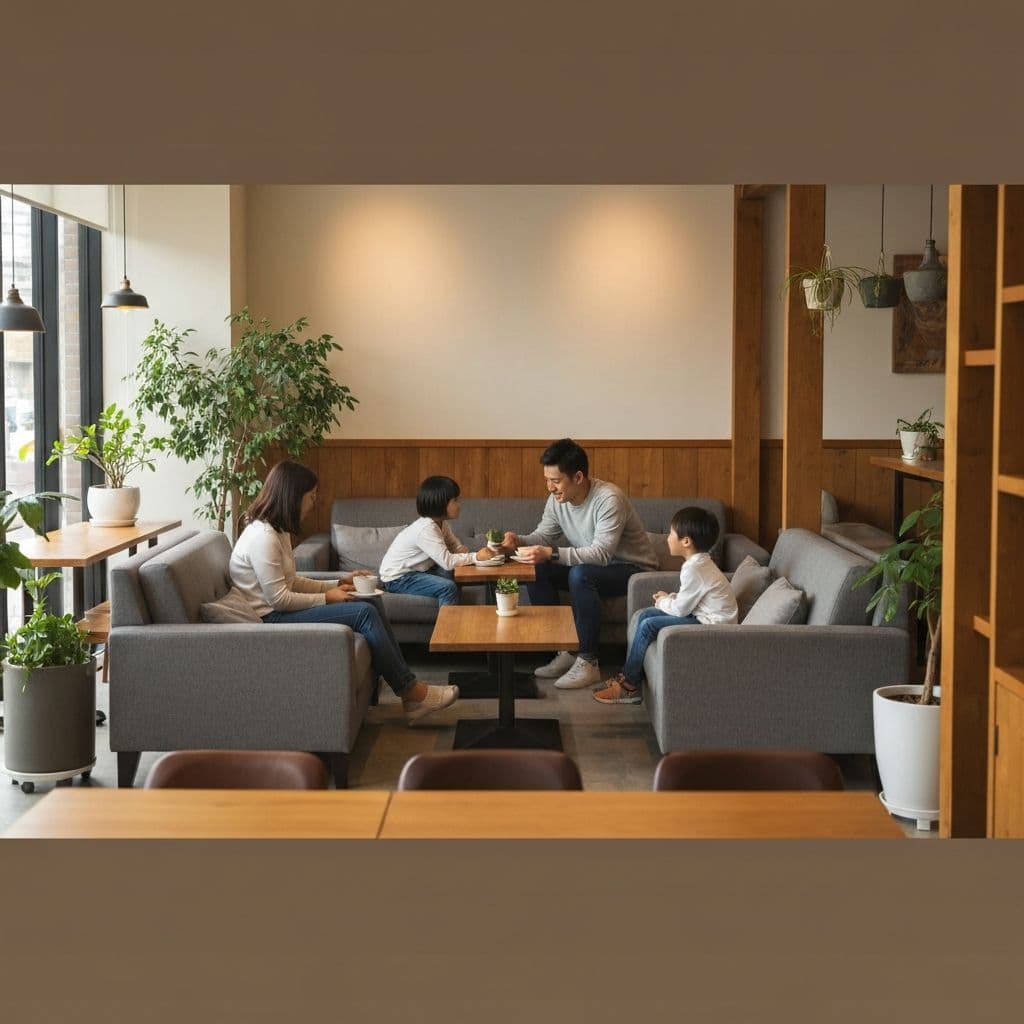
- A small independent cafe with known quiet hours
- A museum on a quiet weekday morning
Use KindHours to research your destination. Filter by your city and the type of venue you want. Look for: Noise rating of 2 or below, Crowd density rating of 2 or below, Lighting rating that matches your comfort level.
Find a sensory-friendly venue near you →
Step 2: Research the Specific Venue
Opening hours and quiet periods:
- What time does it open? (Earlier = quieter for most venues)
- Does it have designated quiet hours?
- Are there events scheduled that might increase noise or crowd density?
Layout:
- Can you find photos of the interior?
- Is there a quiet corner, booth, or secondary room away from the main area?
- Where are the exits?
Step 3: Plan Your Timing
| Time | Generally | |------|-----------| | Weekday morning (9–11am) | Quietest window for most venues | | Weekday lunchtime (12–2pm) | Busiest — higher noise and crowd | | Weekday afternoon (2–4pm) | Second quiet window | | Weekend morning (before 10am) | Often calm — most people arrive later | | Weekend daytime (11am–4pm) | Highest crowd density for leisure venues |
For your first outing, choose a weekday morning or early afternoon slot.
Step 4: Prepare for the Visit
Physical preparation:
- Pack sensory tools you rely on: ear defenders or noise-cancelling headphones, sunglasses, a fidget item
- Plan your outfit for comfort and temperature regulation
- Eat and hydrate beforehand — low blood sugar amplifies sensory sensitivity
Mental preparation:
- Remind yourself of the exit plan: you are allowed to leave at any time, for any reason
- Set a realistic time expectation — even 20 minutes at a venue is a successful outing
- Identify a low-stimulation route to and from the venue
Step 5: Arrive and Assess
When you arrive at the venue, take a moment at the entrance before committing to going in.
Quick entrance assessment:
- Can you hear the noise level from outside? Is it manageable?
- How many people are visible? Does it feel within your comfort range?
- Can you see where you'll sit?
Once inside:
- Identify your preferred spot (corner, away from speakers, away from the kitchen)
- Note the exits
- Give yourself a few minutes to adjust to the environment before deciding how long you'll stay
Step 6: During the Visit
- Set a gentle intention for your visit — a chapter to read, a conversation to have, a coffee to drink
- Give yourself permission to use your sensory tools (headphones, sunglasses) without apology
- Notice what's working and what isn't — this information is useful for planning future visits
Step 7: Reflect Afterwards
After the outing, take a few minutes to reflect while it's fresh:
- What worked well about this venue and timing?
- What made it more difficult than expected?
- Would I return? At what time and under what conditions?
If you used KindHours, check in and add your sensory ratings.
Building Confidence Over Time
A first sensory-friendly outing is a starting point, not a final test. Each outing builds the template for the next one. Over time you build a personal map of places that reliably work for you.
Create your free KindHours account →
Your first sensory-friendly outing does not need to be perfect. It needs to be a step. This plan gives you the best chance of that step going well.
KindHours Team
Contributing to KindHours' mission of making spaces more accessible and sensory-friendly for everyone.