Autism-Friendly Travel Tips for Exploring the UK
Essential tips for autistic travelers and families planning trips across the UK. From choosing destinations to managing travel anxiety.
Autism-Friendly Travel Tips for Exploring the UK
Travelling across the UK when you are autistic — or when you are supporting an autistic family member — involves a different set of considerations than neurotypical travel. With the right preparation, exploring the UK is absolutely achievable and often deeply rewarding.
Featured Venues on KindHours
Planning Your UK Trip with Sensory Needs in Mind
Start with Lower-Stimulation Destinations
If this is a first or early UK trip, consider starting with destinations that have a naturally lower sensory baseline:
Lower-stimulation UK destinations:
- Yorkshire Dales / North York Moors — vast open landscapes, small market towns, very low crowd density outside summer weekends
- Pembrokeshire, Wales — coastal, low-key, spectacular without the crowds of Cornwall
- Edinburgh New Town — Georgian grid layout, quieter than the Old Town, excellent museum access
- Oxford and Cambridge — busy in the tourist cores but with genuinely quiet college gardens and riverside areas
- The Cotswolds (midweek, off-season) — extremely quiet weekday villages in autumn and winter
Destinations to approach with more preparation:
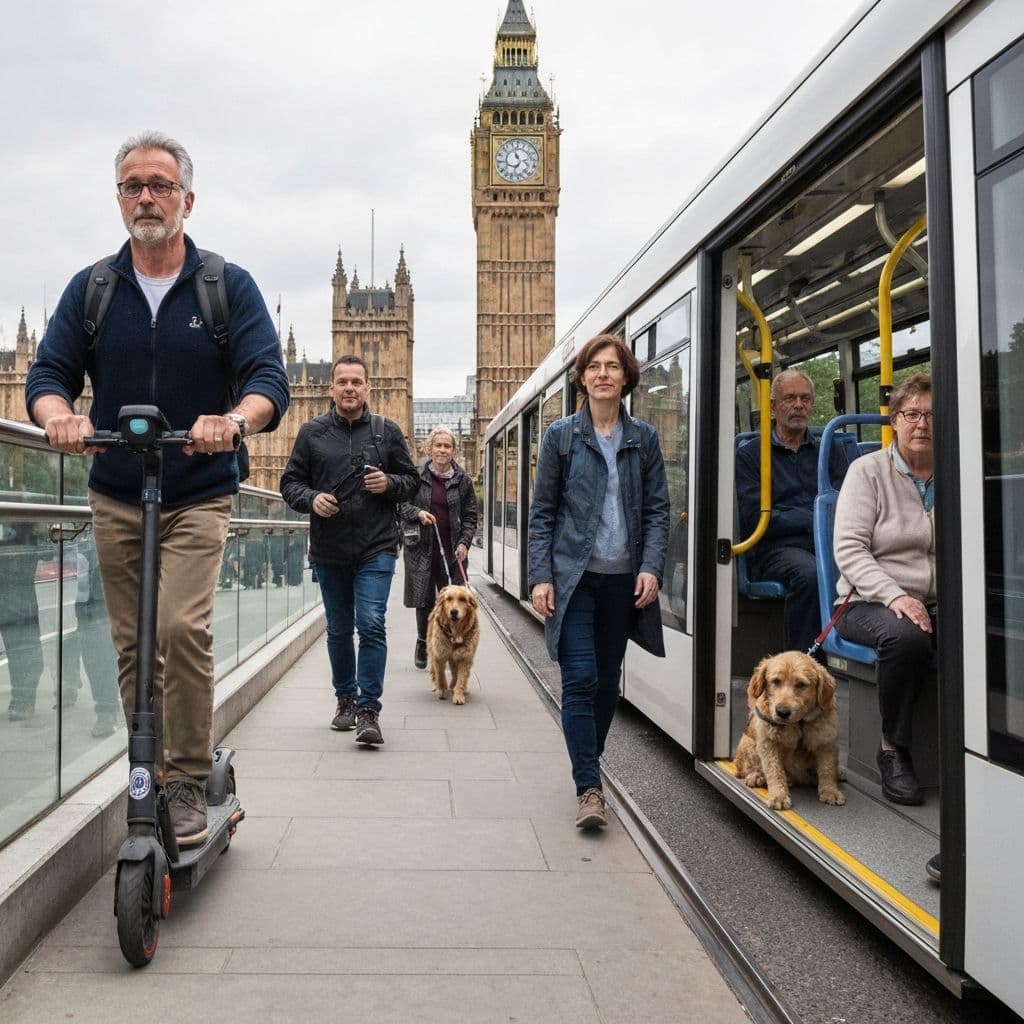
- London (manageable with thorough planning — see our London sensory guide)
- Edinburgh Old Town during Fringe (August — extremely high stimulation)
Build In Recovery Time
The most common mistake in travel planning for autistic individuals and families is scheduling too densely. Practical rule: For every day of activities, build in at least half a day of genuinely unscheduled downtime at a predictable, calm base.
Research Your Accommodation Thoroughly
Accommodation sensory factors that matter:
- Noise — road noise, neighbouring rooms, thin walls
- Lighting — blackout curtains (critical for many autistic people)
- Scent — strong cleaning products, air fresheners
- Layout predictability — knowing the room layout before arrival reduces adjustment time
Contact hotels or B&Bs directly before booking to ask about noise levels, room lighting, and cleaning product types. Request the same room on repeat stays.
Transport Tips for Autistic UK Travellers
Train Travel
- Book in advance and choose your seat. Window seats in a quiet carriage give the most sensory control.
- Quiet carriages: Most long-distance UK trains have a designated quiet carriage. Phone calls and loud conversation are not permitted.
- Peak vs off-peak: Off-peak travel (after 9:30am on weekdays, most of Saturday and Sunday) is significantly less crowded.
- Arrive 20–30 minutes early to allow time to orient and settle before boarding.
- Noise-cancelling headphones are the single most useful sensory tool for train travel.
Coach Travel
Often quieter and cheaper than train travel. For autistic travellers who find the train carriage social dynamic challenging, coaches can be a lower-anxiety alternative.
Driving
For many autistic people and families, driving is the most sensory-controllable form of travel — you control the music, temperature, route, stops, and timing.
Finding Sensory-Friendly Venues at Your Destination
Before your trip, search KindHours for your destination city. Build a shortlist of:
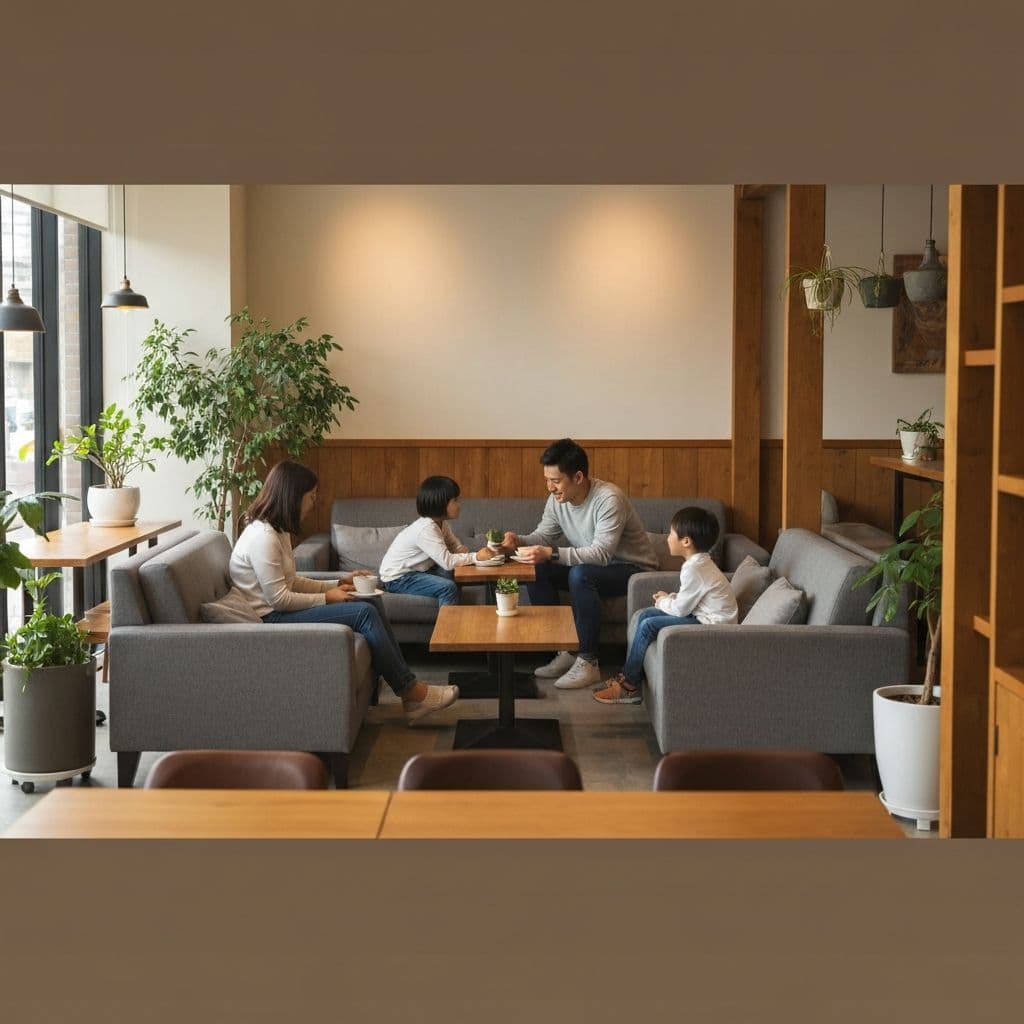
- A reliable quiet cafe or coffee shop near your accommodation
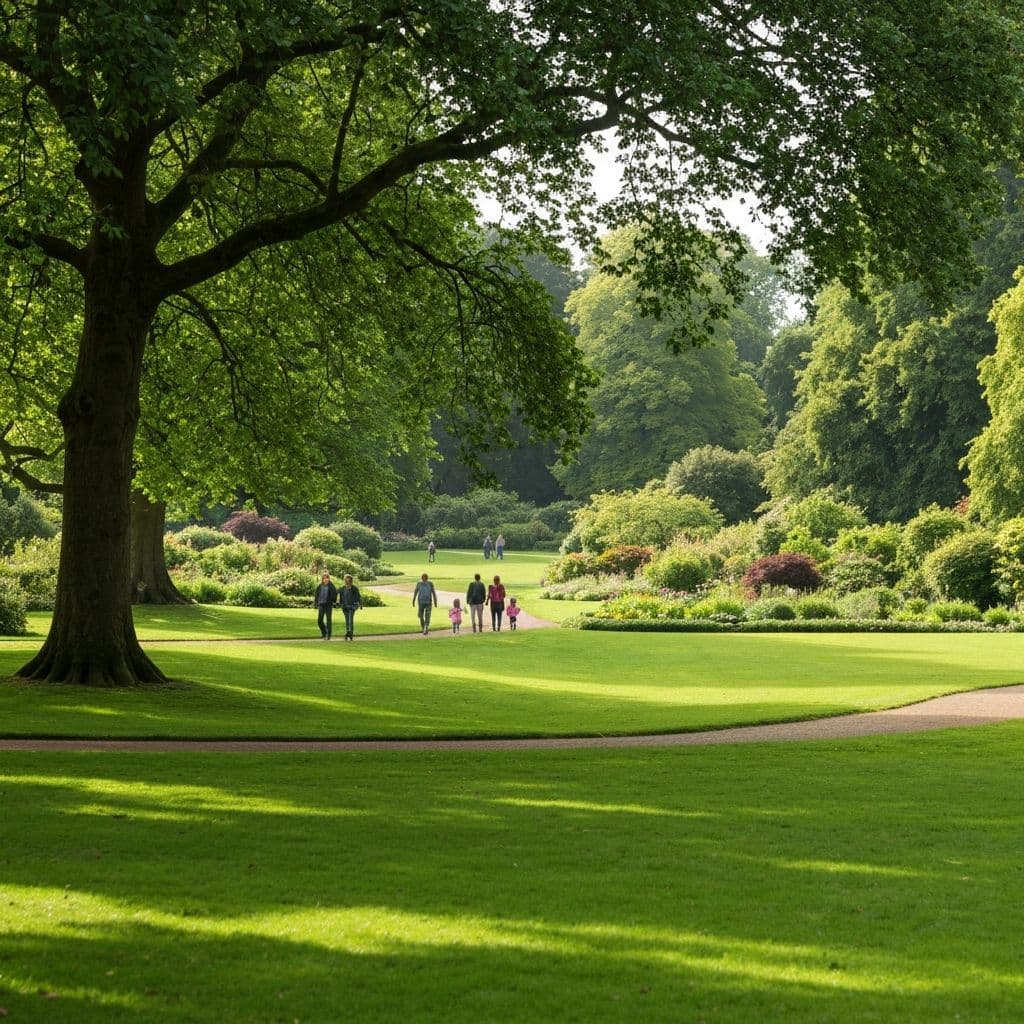
- A park or green space within walking distance
- A low-stimulation activity venue (library, museum, gallery)
Having this shortlist ready before you arrive removes a major source of decision-making stress.
For days involving multiple stops, the KindHours Journey Planner lets you build a sensory-safe route through multiple venues at your destination.
Managing the Unexpected
Maintain a sensory toolkit. Always have: noise-cancelling headphones or ear defenders, sunglasses, a phone with a calming playlist, a snack, and any comfort items that help regulate.
Have a flexible plan B for every main activity. If the museum is unexpectedly crowded, the park is the alternative. Having plan B pre-identified means you do not have to generate new options mid-overload.
Communicate your needs early. "I have sensory sensitivities — is there a quieter area?" is a reasonable, simple question that most UK venues will respond to positively.
UK Resources for Autistic Travellers
- KindHours — sensory venue ratings and journey planning across the UK
- National Autistic Society — venue finder and travel support resources (autism.org.uk)
- Sunflower Hidden Disability Scheme — accepted at most UK airports, many stations, and a growing number of attractions
- Disabled Persons Railcard — significant train fare discounts for autistic people and their companions
UK travel is rich with genuinely quiet, calm, and rewarding experiences — particularly outside the major tourist hotspots and busy seasons. Start planning your trip on KindHours →
KindHours Team
Contributing to KindHours' mission of making spaces more accessible and sensory-friendly for everyone.