Sensory Accessibility Without the Anxiety: A Practical Guide for Venue Owners
Learn how to communicate sensory information honestly, support staff, and improve accessibility without promising a perfect experience for everyone.
Sensory Accessibility Without the Anxiety: A Practical Guide for Venue Owners
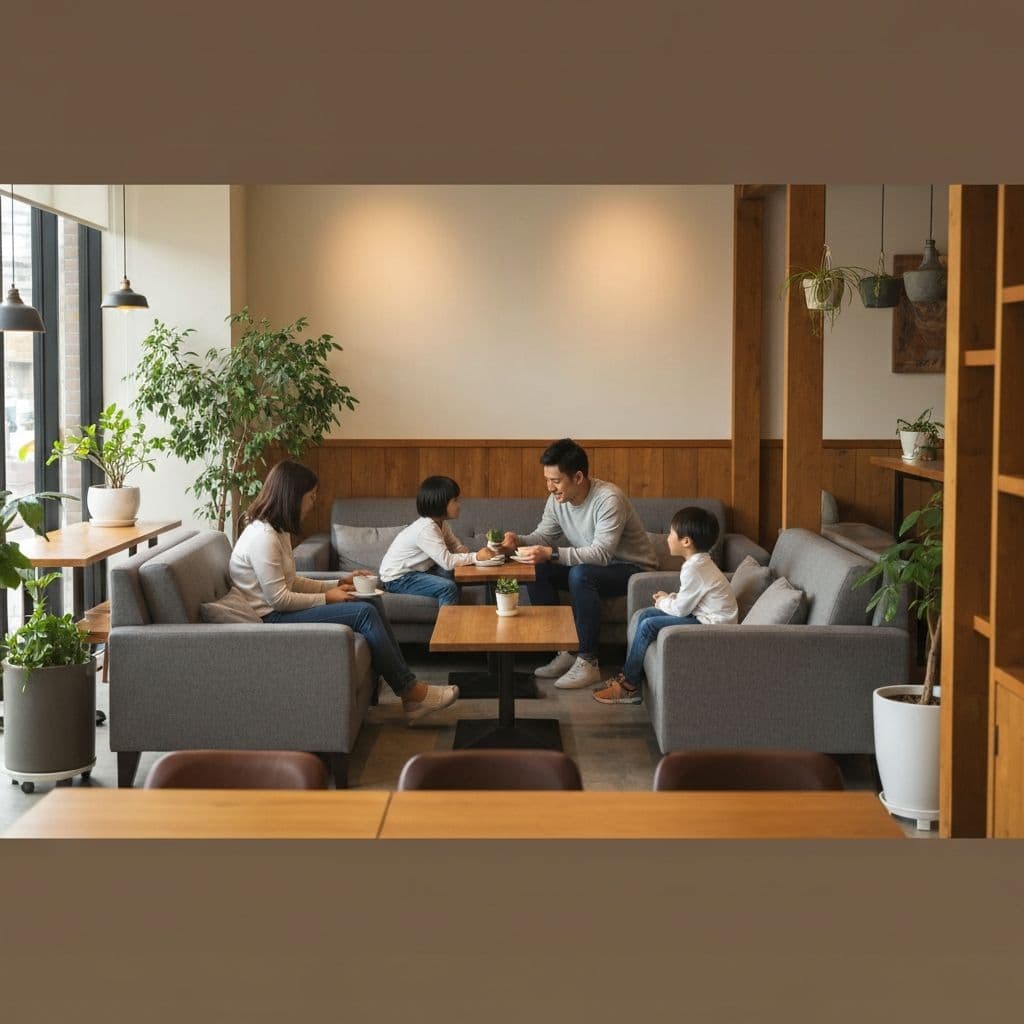
Many venue owners want to welcome more neurodivergent and sensory-sensitive customers but worry about getting accessibility wrong. They may fear using the wrong language, missing an important need, making a promise the team cannot keep, or receiving criticism if the environment changes.
That anxiety is understandable. Sensory accessibility is personal and context-dependent. A room that feels comfortable to one visitor may feel overwhelming to another, and the same venue can change dramatically when it is busy, bright, noisy, or affected by an event.
The answer is not to avoid talking about accessibility. It is to replace broad claims with specific, honest information.
Do not aim for a perfect label
“Sensory-friendly” is useful only when it is supported by details. Instead of positioning your venue as suitable for everyone, explain what you know:
- Background music is usually low, but may change during events.
- The front seating area is brighter than the rear seating area.
- Weekday mornings are generally quieter than weekend afternoons.
- Customers can request a table away from the entrance where available.
- The venue has no dedicated quiet room, but staff can explain the options.
This kind of language is not a weakness. It helps customers make an informed decision and protects your team from promising an experience they cannot guarantee.
Start with a baseline, not a renovation
You can learn a great deal by walking through the venue at different times. Note what changes and what remains consistent across:
- Noise: music, kitchen sounds, queues, echoes, and nearby traffic
- Lighting: brightness, glare, flicker, contrast, and natural light
- Crowds: table spacing, movement, waiting areas, and busy periods
- Scent: cleaning products, food smells, perfumes, and ventilation
Record observations in plain language. You do not need technical equipment to begin. The first useful improvement may be a quieter table, clearer signage, a staff script, or better information about timing.
How KindHours reduces the pressure
KindHours helps you communicate what is true now while leaving room to learn. Your venue profile can set out sensory details, quieter periods, visitor guidance, and live updates. This gives customers more context before they travel and gives staff one shared place to refer to.
The platform is not a pass-or-fail accreditation. It is a communication and feedback loop. You can make one improvement, explain it clearly, see how visitors respond, and decide what to do next.
Give staff a safe way to respond
Accessibility information only works when the team can support it. A short staff approach is often enough:
- Ask, “What would make the visit easier?” rather than asking someone to justify their need.
- Explain the options that are genuinely available today.
- Avoid saying “We are completely sensory-friendly” if conditions vary.
- Tell customers when a change, event, queue, or temporary issue affects the usual environment.
- Treat feedback as information about the experience, not as a personal criticism.
This approach reduces anxiety for staff because they do not need to diagnose, debate, or solve every sensory need. They need to communicate clearly and offer realistic choices.
A low-risk accessibility improvement plan
Choose one change in each time horizon:
- Today: publish your quieter periods and brief the next shift.
- This month: add a clear venue profile with noise, lighting, crowd, and scent details.
- This quarter: review feedback and make one environmental or process improvement.
You can use KindHours for Venues to keep this information visible and easier to update. The aim is steady progress that your business can maintain, not a one-time announcement that quickly becomes outdated.
Key takeaway
Getting sensory accessibility “right” does not mean guaranteeing the same experience for every person. It means being specific about what customers can expect, honest about uncertainty, and willing to improve. That is more useful—and more trustworthy—than a broad claim your team cannot consistently support.
KindHours Team
Contributing to KindHours' mission of making spaces more accessible and sensory-friendly for everyone.