How Sensory-Friendly Venues Can Fill Off-Peak Hours Without Discounting Their Brand
A practical guide for venue owners who want to make quieter periods easier to discover, support sensory-sensitive visitors, and build repeat off-peak demand.
How Sensory-Friendly Venues Can Fill Off-Peak Hours Without Discounting Their Brand
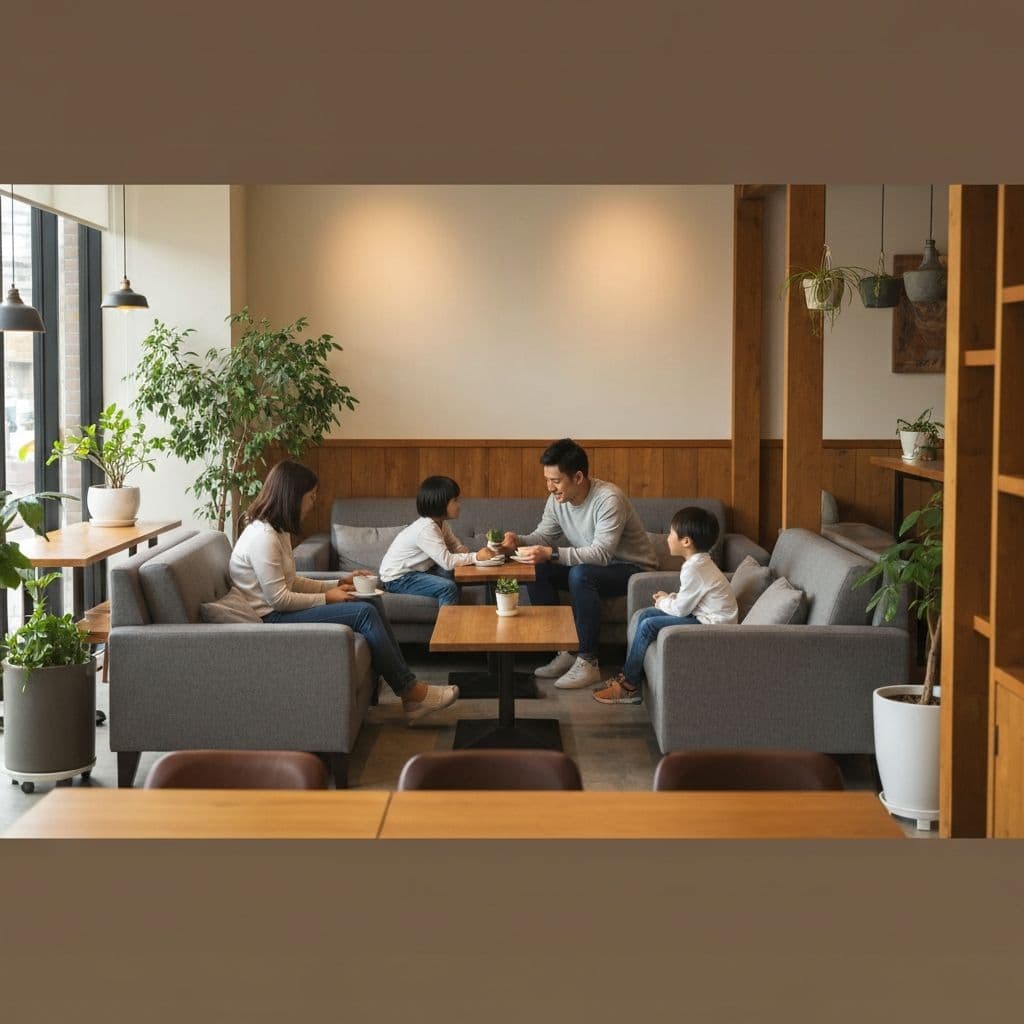
Quiet periods are a familiar challenge for venue owners. A cafe may have empty tables between breakfast and lunch. A salon may have unused weekday appointments. A shop, library, studio, or restaurant may be fully staffed while customer demand temporarily drops.
One practical opportunity is to make those quieter periods easier to discover for people who actively prefer lower stimulation. This is not about promising that every visit will be calm or creating a discount-only offer. It is about communicating when your venue is likely to feel more manageable, then helping the right customers choose with confidence.
Why off-peak hours become a revenue problem
Off-peak capacity is perishable. Once a quiet morning or unused appointment slot has passed, it cannot be sold later. Owners often respond with broad promotions, but discounts can reduce margin without solving the uncertainty that stops some customers from visiting.
For people with sensory sensitivities, the question is often not “Is this business affordable?” It is “What will this place feel like when I arrive?” If your venue does not explain noise, lighting, queues, crowd patterns, or available seating, a potential customer may choose not to risk the visit.
Turn quiet periods into useful information
Start by identifying one realistic opportunity:
- A quieter weekday morning for a cafe
- A low-traffic afternoon for a shop
- Early or late appointments for a salon
- A calmer first hour at a library, studio, or community venue
- A regular session with lower music, softer lighting, or fewer bookings
Then describe what customers can actually expect. Avoid saying that the venue is “perfectly sensory-friendly.” Explain the baseline: whether music is reduced, how busy the space usually feels, where a quieter seat may be available, and what can change on the day.
How KindHours helps
KindHours gives venues a practical way to make these details visible. You can create a venue profile, describe sensory conditions across noise, lighting, crowds, and scent, and share updates when the environment differs from its usual pattern.
A customer can then discover your quieter period while planning a visit, understand the limits of the information, and arrive with a more realistic expectation. That confidence can be the difference between an empty period and a considered visit.
The KindHours venue profile is designed for small teams. You do not need a new operational system or a costly redesign. Start with one time slot, keep the information honest, and improve it as customers share useful feedback.
A simple test for the next four weeks
- Choose one off-peak period that your team can support consistently.
- Write down the usual noise, lighting, crowd, and seating conditions.
- Add the period and details to your KindHours venue profile.
- Brief staff on how to answer questions without making promises they cannot keep.
- Review visitor feedback and adjust one practical detail.
The goal is not to fill every quiet hour overnight. The goal is to make your capacity more discoverable to customers whose needs match the environment you can genuinely provide. Over time, useful information builds trust, repeat visits, and a clearer reason to choose your venue outside peak demand.
Key takeaway
Off-peak trading is not only a promotion problem. It can also be an information problem. When customers know when your venue is likely to suit them and what to expect, quieter hours become easier to choose—and your team can improve the experience without changing the identity of your business.
KindHours Team
Contributing to KindHours' mission of making spaces more accessible and sensory-friendly for everyone.