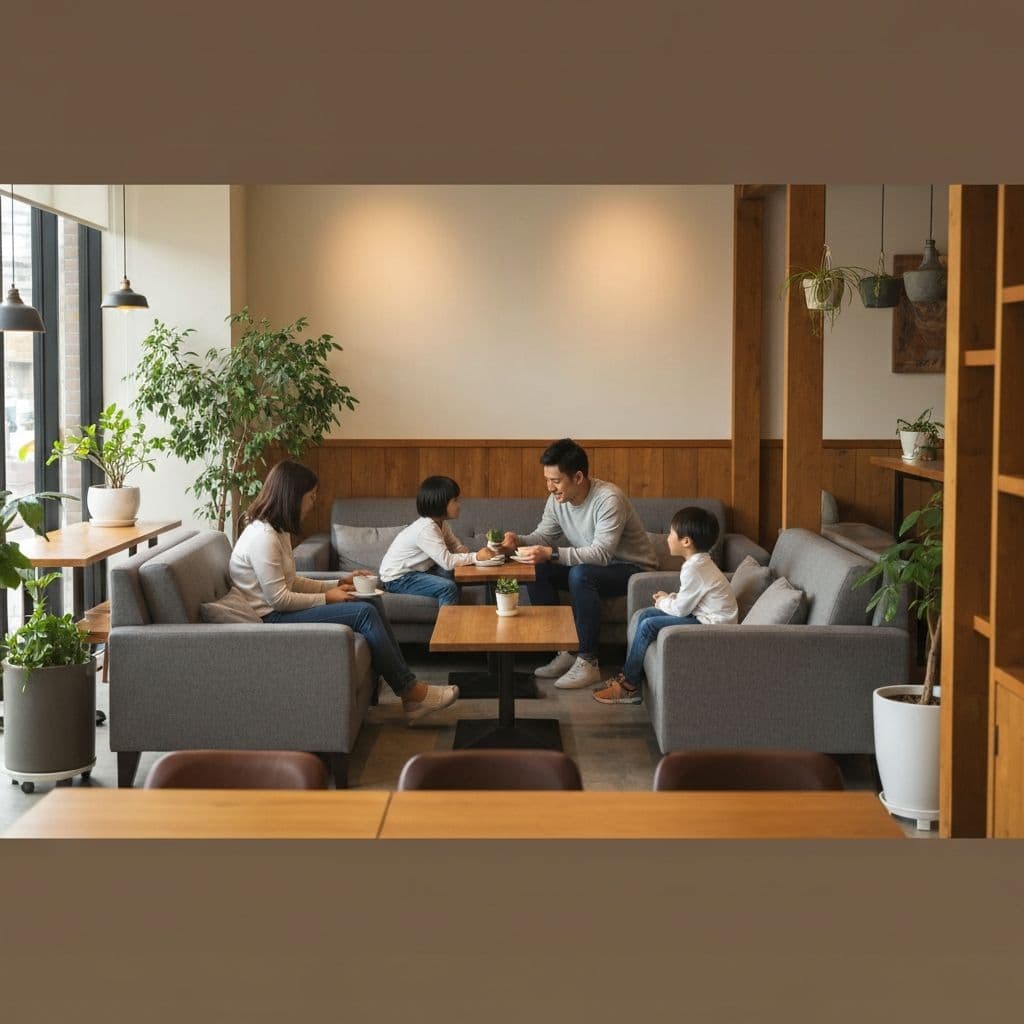
Parenting Two Children With Different Sensory Needs
A practical guide for families supporting two children whose sensory needs do not look the same.
Parenting Two Children With Different Sensory Needs
Raising two children with sensory sensitivities can feel like coordinating two completely different maps. One child may seek movement and sound while the other needs quiet and predictability. The goal is not to make every experience identical. It is to create enough choice, information, and flexibility for both children to participate.
Start With Individual Patterns
Write down what each child tends to notice first. Is it noise, bright light, crowds, touch, smells, waiting, or sudden changes? Keep the list practical and positive. A child who seeks movement may benefit from a planned walk or playground stop. A child who avoids noise may need a quiet corner, headphones, or an earlier visit.
Use KindHours to compare venues by noise, lighting, crowding, and scent before you travel. Looking at the same information together can turn a difficult decision into a shared plan.
Choose Flexible Places
The best family venue is not always the quietest one. Look for places with more than one zone, outdoor access, visible exits, calm seating, and staff who are willing to explain what to expect. A flexible venue lets one child take a movement break without forcing the other to leave.
Before setting off, check opening times and current community notes in the KindHours app. Agree on a simple plan: where you will sit, where you can pause, and what signal means “we need a break.”
Pack Two Kinds of Support
Avoid assuming one tool will work for everyone. KindPlugs may help reduce background noise for one child, while KindLens may make bright interiors more comfortable for another. Bring familiar snacks, water, a comfort item, and a way to communicate without a long explanation.
Share Attention Fairly
One child’s needs can easily become the family’s only focus. Build in small moments that work for both children, and explain that fairness does not always mean everyone gets the same thing. It means everyone gets the support they need to join in.
A successful outing may be shorter than planned. That is not failure. It is useful information for the next visit. With better venue details, individual supports, and permission to adapt, families can build routines that feel calmer for everyone. It can also help to tell relatives and trusted adults what each child needs before a shared outing. A short note about preferred seating, break signals, and communication style prevents parents from carrying every decision alone. Over time, children learn that support is available without having to earn it, and siblings learn that different needs can exist side by side.
KindHours Team
Contributing to KindHours' mission of making spaces more accessible and sensory-friendly for everyone.