Sensory Friendly Places Near Me for Families: A Parent's Complete Guide (2026)
A parent's complete guide to finding sensory friendly places near you for children with autism, ADHD, and sensory processing differences. Covers what to look for, how to search, and how to plan stress-free family outings.
Sensory Friendly Places Near Me for Families: A Parent's Complete Guide (2026)
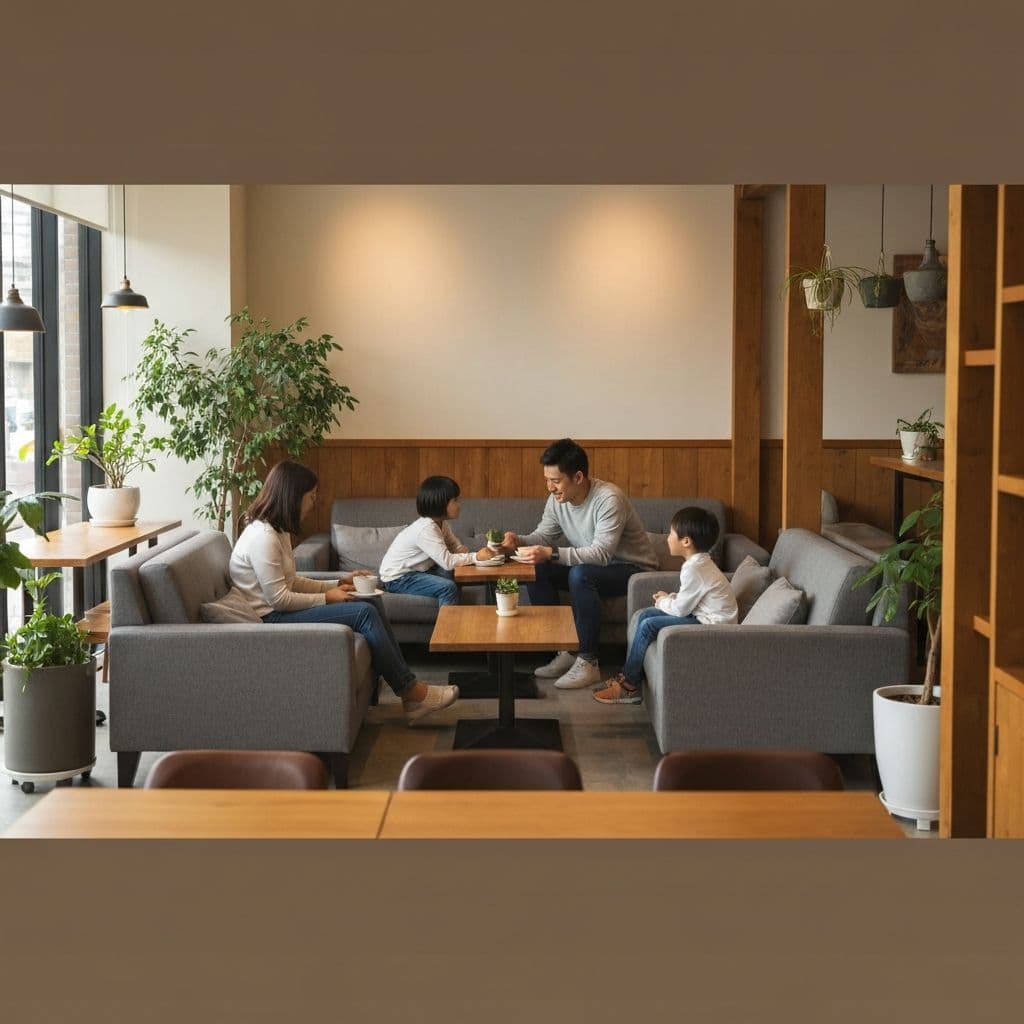
When you're a parent of a child with autism, ADHD, or sensory processing differences, every outing comes with a list of unknowns. Will it be too loud? Will the lights trigger a meltdown? Is there somewhere to retreat to if it all gets too much? Searching for "sensory friendly places near me" is often the first step — but knowing what to do with the results is just as important.
This guide is written specifically for families. It covers what to look for, how to find and evaluate venues near you, and how to make the most of every outing — with less stress for everyone.
Why Families Need Sensory Friendly Places
Children with sensory sensitivities experience their environment differently. For a child with autism or sensory processing disorder (SPD), a busy cafe isn't just noisy — the combined effect of fluorescent lighting, background music, conversation, and movement can result in sensory overload that ends the outing entirely.
This is not a failure of planning. It's a mismatch between the venue's sensory environment and the child's sensory threshold. The solution isn't to stop going out — it's to find places that sit within your child's window of tolerance.
The benefits of regular sensory-friendly outings for children include:
- Gradual, supported exposure to public environments
- Building confidence through repeated positive experiences
- Social development in settings that don't immediately overwhelm
- Family connection without the anxiety of the unknown
- Normalising community participation for children who otherwise avoid it
What to Look for in Sensory Friendly Places for Children
Not all venues advertise themselves as sensory friendly — and many that do are only partially accommodating. Here's what actually matters when evaluating a venue for a child with sensory sensitivities:
Noise Level
This is typically the biggest factor for children. Look for:
- Background music: Is it playing? How loud? Can you request it be turned off?
- Hard surfaces vs soft furnishings: Hard floors, exposed brick, and high ceilings reflect sound and make spaces significantly louder
- Children's noise: Paradoxically, venues specifically marketed at children (soft play, family restaurants) are often the loudest places to take a sensory-sensitive child
- Service noise: Coffee machines, kitchen noise, and PA systems all contribute
Best venue types for low noise: Libraries, heritage sites, botanic gardens, smaller independent cafes, aquariums (certain sections), and natural outdoor spaces.
Lighting
Fluorescent strip lighting is the most common trigger. Look for:
- Natural light: Venues with large windows and natural lighting are almost always preferable to artificially lit spaces
- Adjustable lighting: Some sensory-friendly venues explicitly offer dimmer settings
- Screen glare: Venues with multiple screens showing sports or entertainment add visual noise on top of acoustic noise
Best venue types for gentle lighting: Coffee shops with natural light, libraries, museums with gallery lighting, gardens, parks, and heritage properties.
Crowd Density
Children with sensory sensitivities often struggle with unpredictable movement — people walking too close, unexpected physical contact, or the stress of navigating a crowded space.
- Capacity matters: A small cafe at half capacity can be calmer than a large museum at full capacity
- Predictable traffic: Venues where people are seated and stationary are generally easier than venues with constant movement
- Entry/exit clarity: Knowing there is an easy, clear exit significantly reduces anxiety for both child and parent
Space to Decompress
The single most important feature of a truly family-friendly sensory venue is somewhere to go when it gets too much. This might be:
- A quiet corner or seating alcove away from the main space
- An outdoor area accessible from inside
- A sensory room or quiet room (explicitly offered by some museums, theatres, and leisure centres)
- Simply enough space that you can move to a less busy section
Types of Sensory Friendly Places Near You Worth Finding
Local Libraries
Libraries are among the most consistently sensory-friendly public spaces in the UK. Most have:
- Low or no background music
- Controlled lighting
- Low occupancy during weekday mornings
- Structured activities (story time, reading groups) with clear timings
- Staff who are accustomed to supporting neurodiverse visitors
Tip: Many UK libraries specifically offer quiet hours or sensory story sessions for children with additional needs. Check your local library's events calendar.
Independent Cafes and Coffee Shops
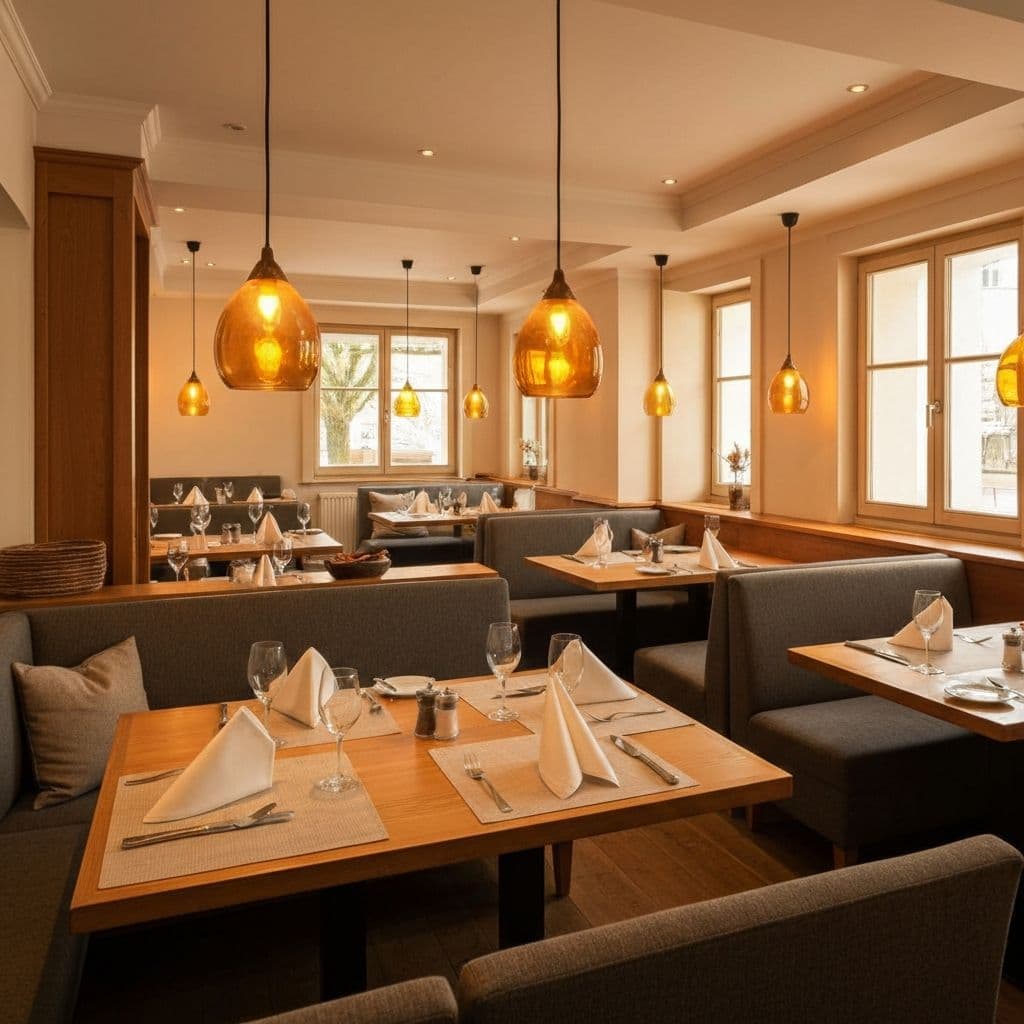
Chain cafes (Costa, Starbucks, Caffe Nero) are designed for high volume, which often means hard surfaces, background music, and busy service areas. Smaller independent cafes are far more variable — and often far better.
When searching for sensory friendly cafes near you, look for:
- Softer furnishings (upholstered seating, rugs, curtains that absorb sound)
- Natural lighting
- Background music that can be requested off or turned down
- A table away from the service counter and entrance
Find rated cafes near you on KindHours →
Museums and Heritage Sites
Free UK museums are among the best sensory-friendly family destinations available. Tips for making museum visits work:
- Arrive at opening time — the first 90 minutes are consistently the quietest
- Choose specific galleries rather than attempting a full visit — one gallery done well is better than five galleries in a rush
- Check if sensory resources are available: Many major museums now offer sensory backpacks, visual guides, and quiet space maps
- Avoid school holiday peak periods: Occupancy can triple or quadruple versus term time
Sensory resources are explicitly offered at venues including the Natural History Museum, the Science Museum, the V&A, and National Museum Scotland.
Parks and Outdoor Green Spaces
Outdoor environments regulate the sensory system in ways indoor spaces cannot. Natural soundscapes — wind, birdsong, water — are far less dysregulating than artificial noise. Open space allows children to regulate through movement without social pressure.
The challenge with parks is unpredictability: a busy summer Saturday in a city park is very different from a Tuesday morning in the same space. Using a tool like KindHours to check live crowd levels before visiting makes a meaningful difference.
Best types for sensory-sensitive children:
- Woodland and nature reserves — naturally screened from urban noise, low visitor density
- Formal gardens — structured environments with defined areas and calming design
- Canal towpaths — linear, quiet, and usually uncrowded
- Country parks — larger and less dense than urban parks
Soft Play (When It Works)
Soft play has a mixed reputation for sensory-sensitive children — and for good reason. At peak times, soft play centres are among the loudest, most chaotic environments available. However, many UK soft play centres now offer:
- Dedicated sensory sessions — early morning slots with reduced numbers, music off, dimmed lighting
- Sensory-only days specifically for children with autism and additional needs
These sessions can be transformative. The same environment that would cause meltdown at peak becomes manageable. Always search specifically for "sensory sessions" or "autism-friendly sessions" at soft play venues near you.
Theatres and Cinemas
Many UK theatres and cinemas now run relaxed performances specifically for families with neurodivergent children:
- Relaxed performances at theatres: house lights partially on, sound levels reduced, freedom to move and make noise, chill-out spaces available
- Relaxed screenings at cinemas: house lights on, sound down, movement welcomed
These events are specifically designed so children can engage with arts and entertainment in a way that works for their sensory profile. Most major theatre chains (Odeon, Vue, Cineworld) and many regional theatres now offer these.
How to Find Sensory Friendly Places Near Me: Practical Methods
Method 1: Use KindHours
KindHours is built specifically for this. Search your city or postcode to find venues with community sensory ratings — noise level, lighting, crowd density, and scent ratings — alongside reviews from other families who have visited with sensory-sensitive children.
How to use KindHours for family planning:
- Go to Explore Places
- Search your area or browse by category
- Filter by sensory ratings — set a noise level maximum of 2/5 for quieter results
- Read community reviews for family-specific insights
- Use the Journey Planner to build a full day with multiple sensory-rated stops
Find sensory friendly places near you →
Method 2: Contact Venues Directly
For venues not yet listed on KindHours, a direct phone call or email before visiting gives you information that online reviews rarely capture:
- "Is there background music playing? Can it be turned down?"
- "Do you have any quieter seating areas away from the main space?"
- "What are your quietest times of day or week?"
- "Do you offer any sessions specifically for children with sensory needs?"
Most venues will be willing to accommodate a table request in a quieter area if you explain your child's needs. The worst answer you'll receive is no — and that itself is useful information.
Method 3: Local Parent Networks and Carer Groups
Parents of neurodiverse children in your area have already done the research. Local autism support groups, Facebook groups, and parent networks are goldmines for venue recommendations — particularly for hyperlocal knowledge that doesn't show up in apps.
Search for:
- "[Your town] autism families" on Facebook
- "[Your county] SEND parent support"
- "[Your city] neurodivergent families"
The National Autistic Society also maintains a directory of autism-friendly venues and events.
Method 4: Use the "Off-Peak" Method
Any venue becomes more sensory-friendly at the right time. For families, this generally means:
- Weekday mornings during term time — the single quietest period for most UK venues
- Early starts: Arriving at opening time at any venue means you have the space to yourselves for the first 30–60 minutes
- First week after school holidays — parents are back at work, schools are back, and venues that were packed the week before are suddenly half empty
- Mid-January to end of March — the UK's quietest period for most leisure venues
Planning Your First Sensory Friendly Family Outing
For families just starting out with intentional sensory planning, here is a low-risk approach:
Start Small and Close to Home
Your first sensory-friendly outing should be somewhere nearby, familiar-ish, and with a short planned duration. The goal is a positive experience, not an ambitious itinerary.
A good first outing structure:
- 1 venue, 45–60 minutes maximum
- A known exit plan
- A snack and drink you know your child likes
- Something familiar at the end (home, or a familiar park)
Build a "Sensory Venue Bank"
As you discover places that work for your child, build a personal bank of trusted venues. These are your defaults — places you know you can fall back on. Having 4–5 trusted venues in your local area removes a significant amount of planning anxiety from every outing.
Use KindHours to Record What Works
Check in on KindHours after a successful visit to log the venue's sensory environment for other families in your area. The more community data exists for venues near you, the more useful the app becomes for everyone searching "sensory friendly places near me" in your area.
Making Any Venue More Manageable
Even venues that aren't specifically sensory-friendly can be made workable with the right approach:
- Noise-cancelling headphones or ear defenders — a non-negotiable for many families; they give the child agency over their own audio environment
- Weighted lap pad or fidget tool — helps regulate in overstimulating environments
- Visual schedule — showing the child the plan for the outing (in pictures or text) removes the anxiety of the unknown
- Pre-visit walkthrough — if possible, visit a venue briefly before the "real" visit so it's already familiar
- Exit phrase — agreeing a safe word or phrase with your child that means "we are leaving now without question" creates security
Frequently Asked Questions
What age is best to start taking sensory-sensitive children to public venues?
There is no optimal age — the key is matching the venue to the child's current sensory profile and developmental stage. Many families find early years visits to libraries, parks, and quiet cafes are the most successful starting points, building a foundation of positive community experiences before attempting busier venues.
My child was fine in a venue before but had a meltdown this time. Why?
Sensory thresholds are not fixed. They vary based on sleep, anxiety, illness, time of day, and cumulative sensory load earlier in the day. A venue that worked beautifully on a Tuesday morning may be overwhelming on a Saturday afternoon — even if nothing about the venue itself has changed. This is why timing and pre-visit planning matters.
Are sensory friendly venues only for autistic children?
No. Sensory-friendly spaces benefit anyone with sensory sensitivities, including children with ADHD, anxiety, sensory processing disorder (SPD), auditory processing disorder, and many other conditions. They are also simply calmer, more pleasant environments for everyone — including neurotypical children and adults who prefer quieter spaces.
Finding sensory friendly places near you for your family is a skill you build over time. Start with the KindHours community map for your area, add the venues that work to your personal bank, and contribute your own reviews so other families can benefit from your experience.
KindHours Team
Contributing to KindHours' mission of making spaces more accessible and sensory-friendly for everyone.