Sensory Sibling Dynamics: Supporting Both Children Fairly
How families can support siblings with different sensory preferences without comparison or blame.
Sensory Sibling Dynamics: Supporting Both Children Fairly
When siblings respond differently to the same place, families can feel caught between competing needs. One child may want a busy soft-play centre while the other becomes distressed by echoes and movement. The answer is not to label one child difficult or ask the other to wait indefinitely. It is to make differences visible and build choices into family life.
Explain Needs Without Comparison
Use neutral language: “Your ears need a quieter space” or “Your body needs movement.” Avoid saying that one child is causing the problem. Children learn from the way adults describe sensory needs, and respectful language helps siblings develop empathy without turning support into a competition.
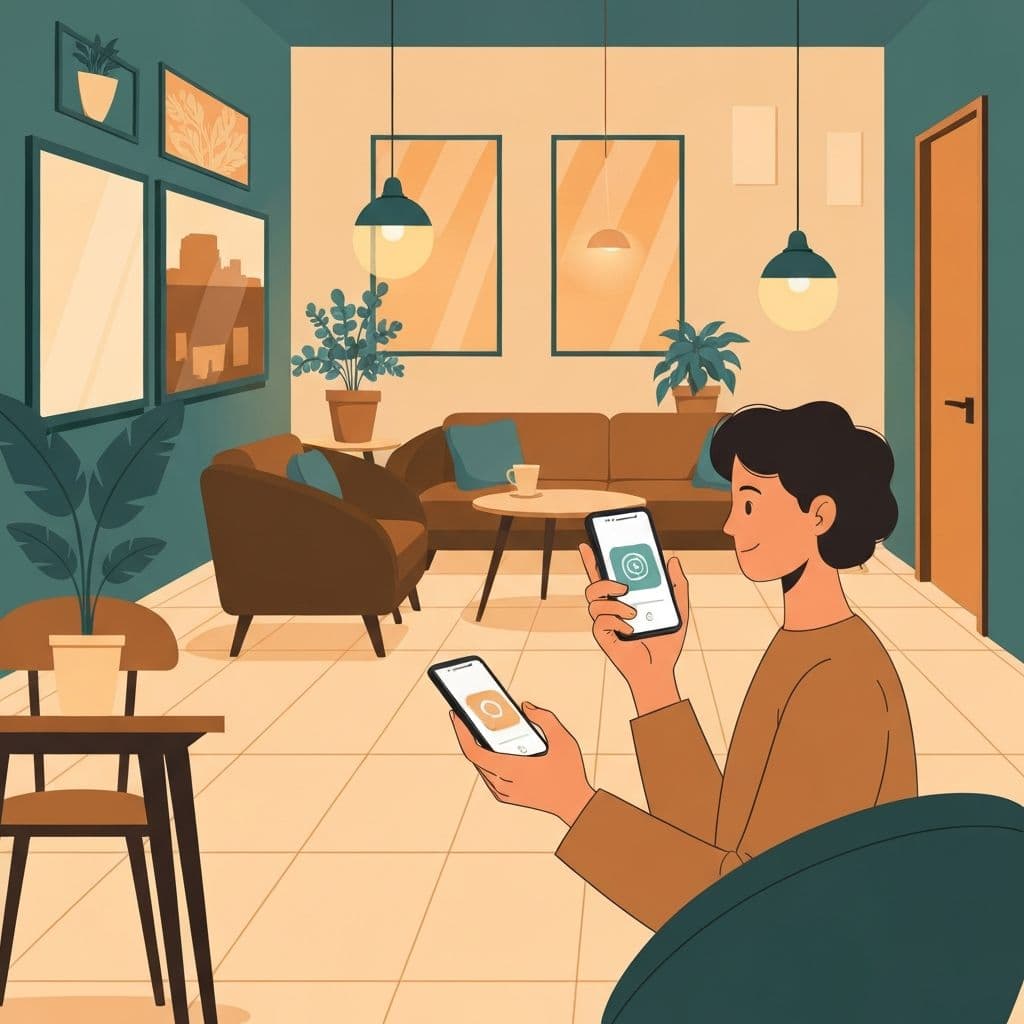
Make the plan concrete. Before visiting, look at KindHours venue information together and identify the likely noise and crowd levels. Ask each child what would make the visit easier. Their answers may be different, and that is expected.
Create Parallel Options
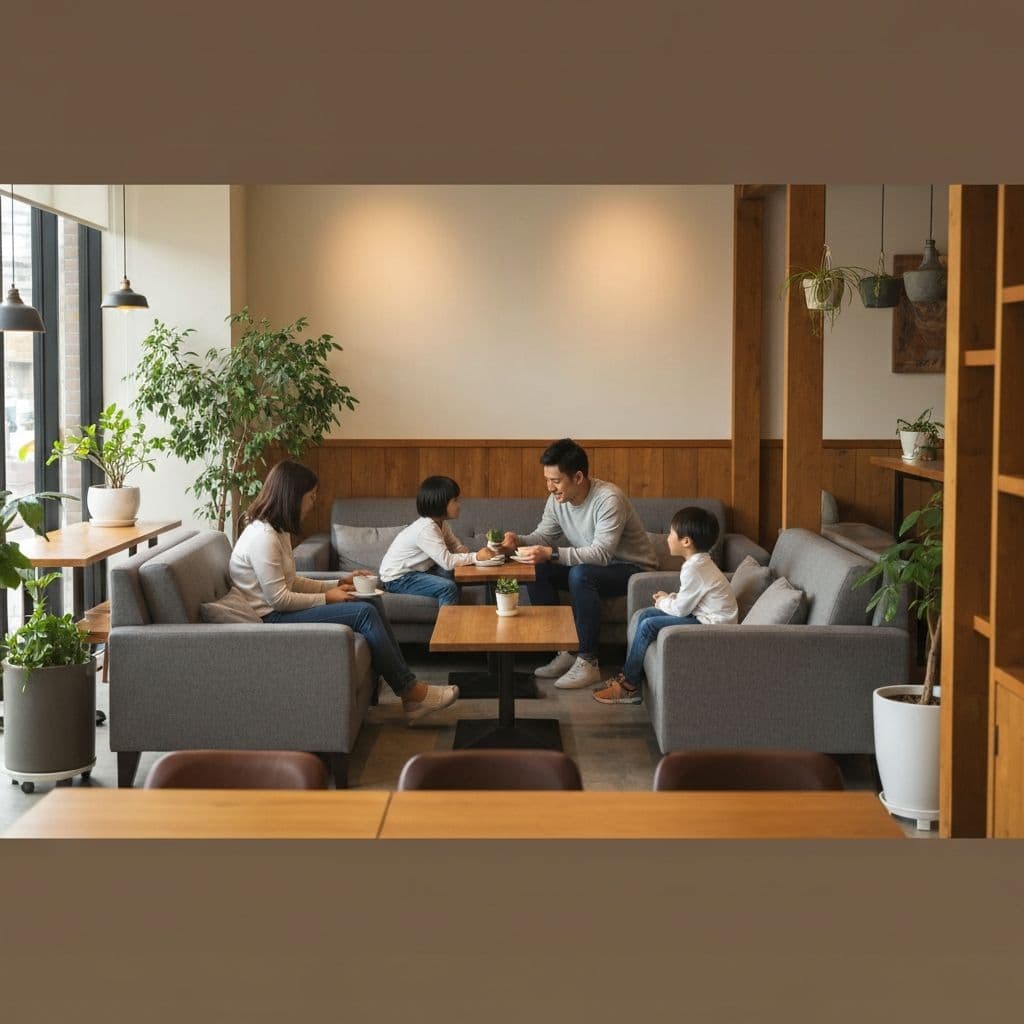
A good family plan can include parallel activities. One child might use a calm reading corner while the other explores a more active area with an adult. A partner system can work well: each child gets focused attention for part of the visit, then the family reconnects.
Choose venues with multiple spaces, outdoor areas, and clear exits. If a place has only one intense environment, it may not be the right choice for that day. Choosing a different venue is planning, not giving in.
Prepare Supports Without Stigma
Keep sensory tools ordinary and available. KindPlugs can help with variable background noise, and KindLens may support comfort under bright lighting. Let children decide when to use them where possible. A support should be presented as a useful option, not a sign that someone is failing.
Make Repair Part of the Routine
Even thoughtful plans can go wrong. After a difficult visit, offer recovery before discussion. Later, ask what the child noticed, what they needed, and what could change next time. Include the sibling’s perspective too, while making clear that nobody is responsible for another child’s sensory response.
Families do not need identical experiences to have shared experiences. With flexible venues, respectful language, and reliable information from the KindHours app, siblings can participate in ways that protect both comfort and connection. It is also worth celebrating the ordinary successes: waiting together, asking for a break, sharing a quiet activity, or returning after a difficult moment. These small experiences build a family culture where access is expected and every child can be included without having to hide what they need.
KindHours Team
Contributing to KindHours' mission of making spaces more accessible and sensory-friendly for everyone.