What Actually Makes a Space Sensory Friendly?
Dive deep into the science and practical considerations that make spaces truly sensory friendly. Understand lighting, acoustics, layout, and more.
What Actually Makes a Space Sensory Friendly?
The phrase "sensory friendly" appears with increasing frequency on venue websites and tourism guides. But what does it actually mean? What is the difference between a space that is genuinely sensory friendly and one that has simply put a label on an accessibility tick-box?
The Sensory Systems Being Considered
When designers and researchers talk about sensory-friendly environments, they typically account for eight sensory systems:
| System | What it processes | |--------|-------------------| | Visual | Light, colour, movement, contrast | | Auditory | Sound, volume, pitch, frequency, rhythm | | Olfactory | Scent, fragrance, chemical smells | | Gustatory | Taste (less relevant to venue design) | | Tactile | Touch, temperature, texture, pressure | | Vestibular | Balance, movement, orientation in space | | Proprioceptive | Body position, muscle tension, spatial awareness | | Interoceptive | Internal body signals — hunger, temperature, fatigue |
Sensory-friendly design primarily addresses the first five.
The Four Dimensions That Matter Most in Venues
1. Sound
Sound is the most commonly cited sensory barrier. It is also the dimension that venues most underestimate — because the people designing and managing venues often have typical auditory processing and filter background sound unconsciously.
What makes sound challenging:
- Volume — simply too loud
- Unpredictability — sudden loud sounds are much more disruptive than consistent moderate sound
- Type — high-frequency sounds are more penetrating
- Reverberation — hard surfaces cause sound to bounce and build
- Layering — multiple simultaneous sound sources create a complex soundscape that is harder to filter
What genuine sensory-friendly sound design includes:
- Acoustic treatment — soft furnishings, acoustic panels, carpeting — to reduce reverberation
- Background music that is low in volume, consistent, or absent during quiet hours
- Separation of high-noise areas from quiet seating areas
2. Light
The two most problematic lighting types in public spaces are:
Fluorescent strip lighting: Often flickers at a rate imperceptible to most people but highly disruptive to those with photosensitive conditions, autism, or migraines. Also produces a cool, blue-heavy light spectrum.
High contrast lighting: Sharp differences between very bright and very dark areas within the same space make the visual system work harder to adjust constantly.
What genuine sensory-friendly lighting includes:
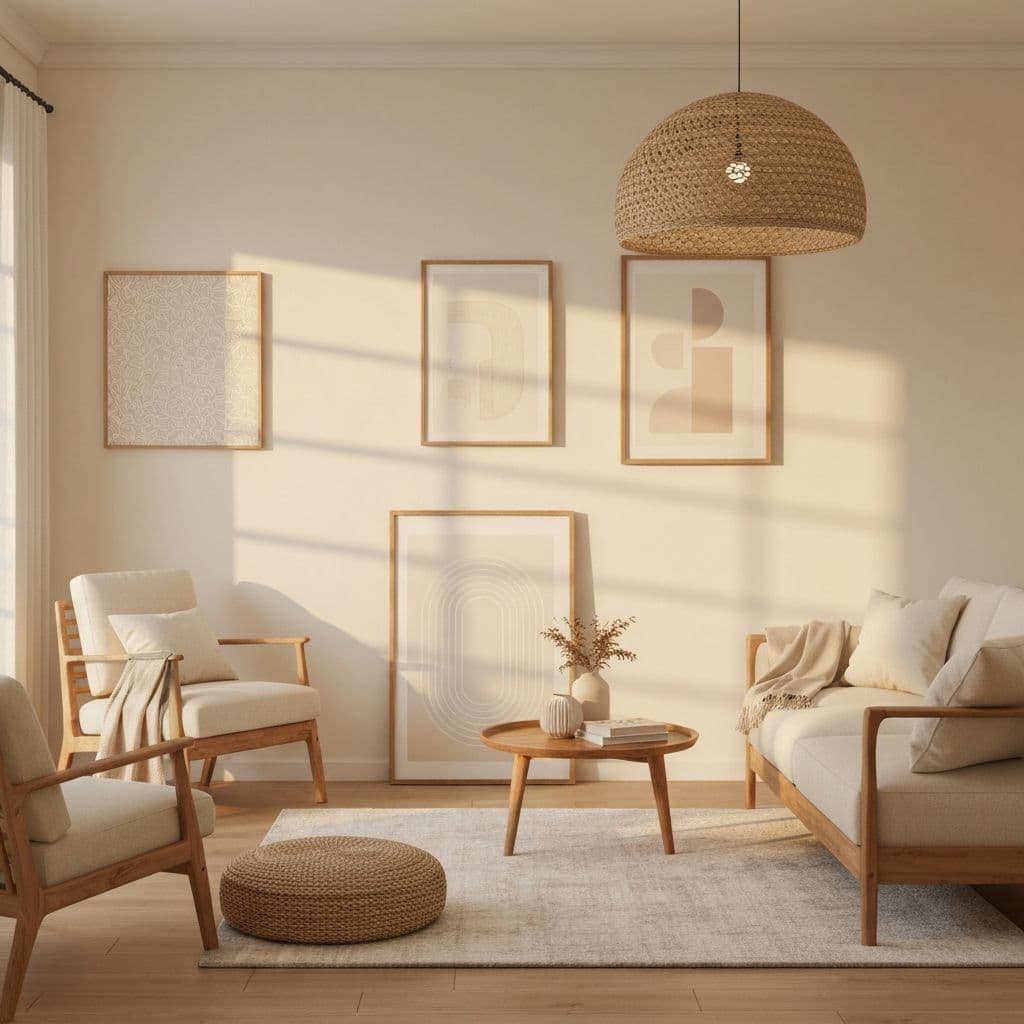
- Warm LED lighting (2700–3000K colour temperature) rather than cool fluorescent
- Consistent illumination levels across the space
- Dimmability — the ability to reduce overall lighting levels when needed
- Natural light management — diffusing film or blinds to reduce glare
3. Crowd Density and Layout
The physical experience of a busy, crowded space involves multiple sensory systems simultaneously: increased noise, reduced personal space, more movement in the visual field, and heightened unpredictability.
What genuine sensory-friendly layout design includes:
- Generous aisle and corridor widths — minimum 1.5m to allow passing without contact
- Clear, predictable customer flow routes through the space
- A designated quiet area separated from high-traffic zones
- Seating that includes peripheral or corner options (backs-to-wall seating reduces visual field load significantly)
4. Scent
The olfactory system connects directly to the limbic system (emotional processing) and hippocampus (memory) without the filtering that other senses go through — making strong scents both highly intrusive and emotionally activating.
What genuine sensory-friendly scent policy includes:
- Fragrance-free or lightly scented cleaning products
- No artificial air fresheners in customer-facing areas
- Good ventilation to manage cooking smells
What "Sensory Friendly" Does Not Mean
- It does not mean silent. Absolute silence is itself disorienting for many people. A sensory-friendly space has manageable, predictable sound — not necessarily none.
- It does not mean dimly lit. Good sensory-friendly lighting is consistent and warm — not simply dark.
- It does not mean empty. Sensory-friendly spaces can be occupied — the key is that crowd density and movement are predictable and not overwhelming.
- It does not require a dedicated "sensory room." Sensory-friendly venue design is about the whole space — not a single room set aside for people with disabilities.
The Role of Staff Behaviour
Physical design addresses the space. Staff behaviour shapes the experience. Genuine sensory-friendly venues invest in staff training that covers:
- What sensory sensitivities mean in a visitor context
- How to respond positively to accommodation requests
- How to support a visitor who is becoming overwhelmed — without escalating the situation
- Communication styles that reduce cognitive and sensory load (clear, calm, brief)
How KindHours Measures and Reflects These Dimensions
KindHours captures the four primary sensory dimensions — noise, lighting, crowd density, and scent — as community-rated scores from people who have actually visited each venue. When you read a KindHours venue rating, you are reading the aggregate sensory experience of multiple real visitors — filtered by recency to reflect current conditions.
Explore community-rated sensory venues →
A genuinely sensory-friendly space is not defined by a label or a certificate. It is defined by its acoustic design, lighting quality, layout, scent environment, and the people who work within it.
KindHours Team
Contributing to KindHours' mission of making spaces more accessible and sensory-friendly for everyone.