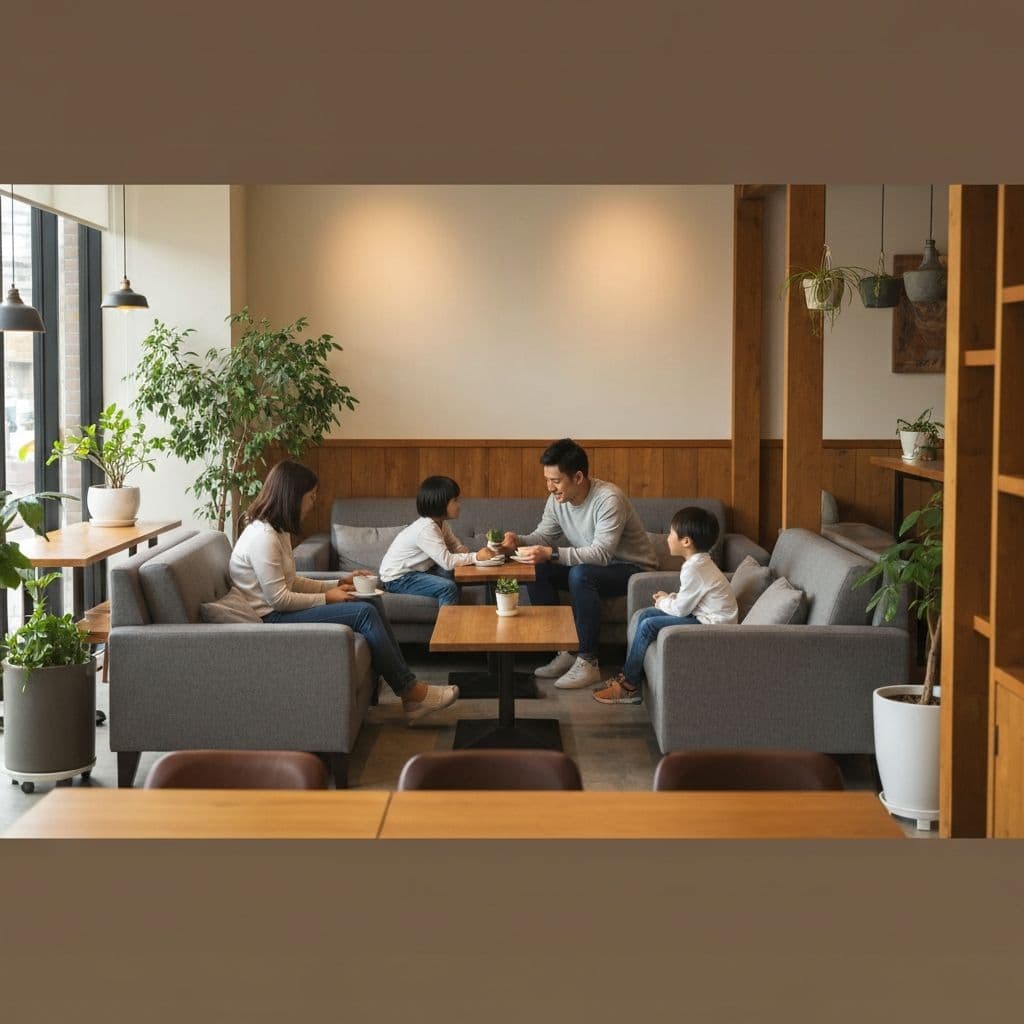
Sensory Wellness Awareness: Helping Every Family Feel More Comfortable Outside
Sensory wellness awareness helps families notice how environments affect comfort, energy, attention, and connection during everyday outings.
Sensory Wellness Awareness: Helping Every Family Feel More Comfortable Outside
Sensory wellness awareness means noticing how surroundings affect our bodies, attention, energy, and emotions. It is especially important for autistic children and children with ADHD, but it is not only a disability issue. Everyone has environments that help them feel settled and environments that make ordinary tasks harder.
Look beyond behaviour
A child covering their ears, refusing a room, running around, or becoming quiet may be communicating that the environment is too much. Noise, bright lighting, crowds, smells, hunger, tiredness, and uncertainty can all change how a child manages. Asking “What might this space be asking of them?” often leads to more helpful support than asking them to simply try harder.
Make sensory information visible
Families should be able to find out what a place is like before arriving. KindHours Spots brings together noise, lighting, crowd, and scent information so parents can compare options. Clear venue details help families choose a quieter time, bring useful supports, or decide that another place is a better match.
Share responsibility
Sensory-friendly communities are built through small actions: turning down background music, offering a calm waiting area, avoiding unnecessary flashing lights, explaining queues, and responding without judgement when someone needs to step outside. Parents should not have to carry all the planning alone.
Choose comfort over comparison
There is no single correct sensory profile. One child may seek movement while another needs stillness; one family may enjoy a busy market while another prefers a quiet park. Awareness begins with listening, adapting, and treating comfort as a valid part of inclusion.
KindHours Team
Contributing to KindHours' mission of making spaces more accessible and sensory-friendly for everyone.